Worst Thing to Do with Plantar Fasciitis (And What to Avoid)
May 25, 2026
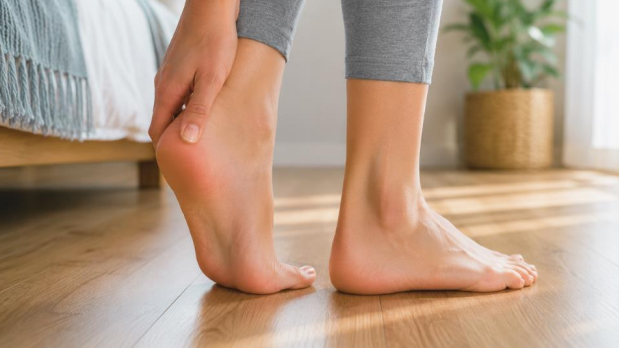
Heel pain from plantar fasciitis can start as a minor morning discomfort and gradually become something that affects every step of the day. For many people, the instinct is to push through it, to keep moving and hope it resolves on its own.
The problem is that certain habits, footwear choices, and activities can quietly make things worse. Knowing the worst thing to do with plantar fasciitis is just as important as knowing what helps, because the wrong moves can turn a manageable condition into a prolonged, chronic one.
What Is Plantar Fasciitis?
The plantar fascia is a thick band of tissue that runs along the bottom of the foot, connecting the heel bone to the toes. When this tissue becomes irritated or overstressed, it can develop small tears that lead to pain and inflammation, a condition known as plantar fasciitis.
The most recognizable symptom is a sharp, stabbing pain in the heel that is typically worst with the first steps in the morning or after periods of rest.
What Not to Do with Plantar Fasciitis
Some of the most harmful patterns feel harmless in the moment but add up over time. Here are the most important habits to reconsider.
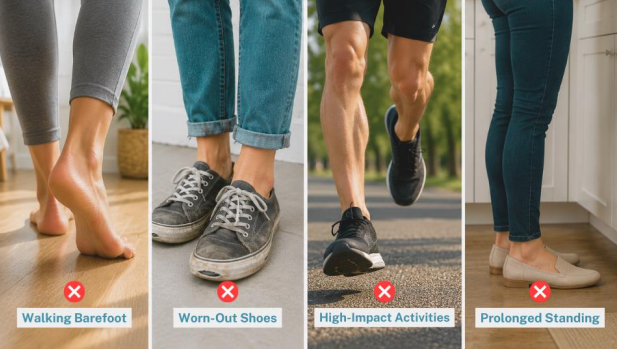
Walking Barefoot
It may feel natural to walk around the house without shoes, but going barefoot is one of the most aggravating things you can do when dealing with plantar fasciitis. Without arch support, every step places direct, uncushioned strain on the plantar fascia.
According to the National Library of Medicine, individuals with acute plantar fasciitis symptoms should avoid walking barefoot and limit repetitive exercises that traumatize the heel. This applies at home just as much as outdoors, supportive footwear should be the first thing on your feet in the morning.
Wearing Unsupportive Footwear
Flip-flops, worn-out sneakers, flat shoes, and high heels all share a common problem, they fail to properly support the arch and cushion the heel. Each of these places the plantar fascia under stress it isn't ready to handle during recovery.
Choosing footwear with firm arch support and adequate heel cushioning is one of the most straightforward ways to reduce daily strain on the fascia. Custom orthotics can also make a meaningful difference, learn more in our orthotics and foot pain guide.
Pushing Through the Pain
Pain is the body's signal that something needs attention. Continuing normal activity levels, especially high-impact ones, when the plantar fascia is already inflamed adds repeated stress to tissue that needs rest to recover.
This doesn't mean complete inactivity, but it does mean being honest about what the foot can handle. Continuing to overload the fascia worsens existing microtears and makes the inflammation harder to resolve.
Ignoring the Condition and Delaying Care
Many people wait months, sometimes longer, before seeking a professional evaluation, assuming the pain will eventually go away. In some cases it does, but in many others, untreated plantar fasciitis progresses into a chronic condition that becomes significantly harder to manage.
Early evaluation gives a clearer picture of what's happening and opens the door to targeted treatment options that work far better than waiting.
Plantar Fasciitis Exercises to Avoid
Not all movement is beneficial during recovery. Some exercises and activities that feel manageable in the moment can quietly add stress to the fascia and set healing back.
High-Impact Activities
Running, jumping, and any exercise involving repetitive heel impact puts excessive stress on the plantar fascia at a time when it needs reduced load, not more of it. These activities don't just maintain the problem; they can actively worsen the underlying tissue damage.
Stretching Incorrectly
Stretching is widely recommended for plantar fasciitis, but how you stretch matters. Aggressive or overly forceful stretching of the fascia can trigger a protective recoil response in the tissue, increasing irritation rather than relieving it.
Gentle, consistent stretching, particularly of the calf muscles and Achilles tendon, is the right approach. Forcing a deep stretch first thing in the morning, before the fascia has warmed up, is one of the more common mistakes that sets recovery back.
Prolonged Standing on Hard Surfaces
Continuous standing, especially on hard floors without proper footwear or support, keeps steady pressure on the plantar fascia throughout the day. Unlike walking, which at least allows brief moments of load transfer, prolonged static standing can be particularly aggravating.
Why Proper Management Matters Early
Plantar fasciitis responds best when it is addressed early and consistently. The longer the fascia is subjected to repeated stress without appropriate care, the greater the risk of chronic inflammation and extended recovery time.
Managing the condition well from the start, through the right footwear, activity modifications, and professional guidance, makes a significant difference in how quickly and fully the foot heals. Learn more about treatment options on our plantar fasciitis service page.
When to See a Podiatrist
Some heel pain resolves with rest and basic care, but other cases need professional attention. Consider scheduling an evaluation if you notice:
- Heel pain that persists for more than a few weeks despite rest
- Pain that is worst with the first steps in the morning or after sitting
- Symptoms that improve temporarily but keep returning
- Discomfort that has started affecting your walking pattern or daily activities
- Uncertainty about whether what you're experiencing is actually plantar fasciitis
A podiatrist can provide a proper clinical diagnosis and a treatment plan tailored to your specific situation, so you're not guessing about things to avoid with plantar fasciitis or managing it blindly.
Getting the Right Care for Heel Pain in New Mexico
Understanding the worst thing to do with plantar fasciitis is a genuine first step toward recovery. Avoiding these common mistakes protects the fascia, reduces ongoing inflammation, and gives the foot the conditions it needs to heal properly.
If heel pain has been holding you back, Foot & Ankle Specialists of New Mexico is here to help. Our podiatrists serve patients throughout New Mexico, visit one of our clinic locations or schedule an appointment for a thorough evaluation and a personalized care plan.
Schedule an Appointment Today!
If any of these signs or symptoms sound familiar to you, don't wait! Schedule an appointment with one of our specialists TODAY and get back to living your best life! For more tips, tricks, and helpful information, be sure to check out our social media accounts!