Do Orthotics Help with Foot Pain? Plantar Fasciitis, Bunions, Knee Pain & More
December 30, 2025
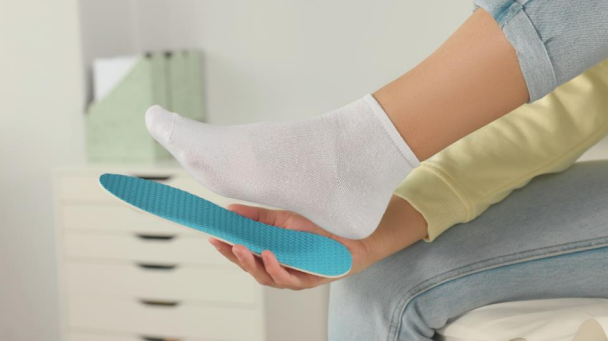
Foot pain can interfere with daily activities, limit mobility, and affect overall quality of life. Orthotics are often recommended as part of treatment, but their role is sometimes misunderstood. When used appropriately, orthotics can help address underlying mechanical issues that contribute to discomfort in the feet, and sometimes even beyond.
This article explains the connection between orthotics and foot pain, how orthotics work, and how they may help manage conditions such as plantar fasciitis, bunions, and knee pain. It also includes practical guidance on caring for orthotics to support long-term results.
What Are Orthotics and How Do They Work?
Orthotics are inserts worn inside shoes to support the feet, improve alignment, and redistribute pressure during walking or standing. They may be over-the-counter or custom-made, depending on foot structure, activity level, and symptoms.
Rather than simply cushioning the foot, orthotics influence how the foot functions as it moves. By improving biomechanics, they can reduce strain on muscles, ligaments, and joints. This is why orthotics are commonly included in treatment plans for managing orthotics and foot pain, especially when pain is related to alignment or repetitive stress.
How Orthotics Help with Foot Pain
Foot pain often develops when pressure is unevenly distributed across the foot or when abnormal movement patterns increase strain on certain tissues. Orthotics can help by:
- Supporting the arch and heel
- Improving shock absorption
- Reducing excessive motion
- Relieving pressure from painful areas
When paired with proper footwear and activity modifications, orthotics can be an effective part of a broader care plan.
Orthotics and Plantar Fasciitis
Plantar fasciitis is one of the most common causes of heel pain and is often linked to strain on the plantar fascia ligament. Orthotics can help plantar fasciitis by supporting the arch, improving shock absorption, and reducing tension placed on the plantar fascia during walking or prolonged standing.
By improving foot alignment and controlling excessive motion, orthotics may help reduce irritation and support the healing process, particularly when combined with stretching and supportive footwear.
Orthotics and Knee Pain
Foot mechanics play an important role in how forces travel through the lower body. Poor foot alignment can contribute to abnormal stress at the knees, especially during repetitive activities.
In these cases, orthotics may help knee pain by improving foot positioning and reducing excessive pronation that affects knee tracking. While orthotics alone may not resolve all knee pain, they are often used alongside strengthening or physical therapy to support healthier movement patterns.
Orthotics and Bunions
Bunions are structural deformities of the big toe joint, and orthotics cannot reverse the deformity itself. However, orthotics may help bunions by redistributing pressure, improving foot mechanics, and reducing irritation around the affected joint.
When combined with properly fitted shoes that allow adequate room in the toe box, orthotics may help slow progression and improve comfort for individuals experiencing bunion-related symptoms.
Custom Orthotics vs. Over-the-Counter Inserts
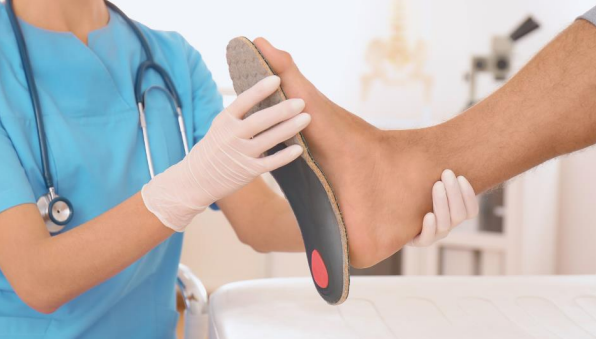
Over-the-counter inserts may offer temporary relief for mild discomfort. Custom orthotics are often recommended when pain is persistent, involves multiple joints, or is related to structural foot issues.
A podiatrist can evaluate foot structure, gait, and biomechanics to determine whether over-the-counter inserts are sufficient or if custom orthotics are more appropriate. This assessment helps ensure the right level of support for your specific condition and activity level. Learn more about professional orthotic care.
How to Clean and Care for Orthotics
Proper care helps orthotics remain effective over time. General recommendations include:
- Cleaning with mild soap and water
- Allowing orthotics to air dry fully
- Avoiding heat sources
- Checking regularly for wear
Maintaining orthotics properly supports long-term management of orthotics and foot pain and helps ensure consistent support.
When to Seek Professional Guidance
While orthotics can provide meaningful support, ongoing or worsening symptoms should be evaluated by a professional. You may benefit from podiatric guidance if foot pain persists despite using inserts, shifts to other areas such as the knees or hips, or interferes with daily activities.
Changes in activity level, new pain patterns, or progression of an existing condition can all affect how well orthotics work. A podiatrist can reassess your foot mechanics, ensure proper fit, and determine whether modifications or additional treatment options are necessary to support long-term comfort and mobility.
Moving Forward with Better Foot Support
Orthotics can be a valuable tool for managing foot pain and related conditions when used as part of a personalized care plan. Proper evaluation ensures the right type of support is provided for your specific needs.
If ongoing discomfort is affecting your mobility, Foot & Ankle Specialists of New Mexico can help evaluate the cause and recommend appropriate treatment options. Book an appointment today to receive personalized care and guidance.
Schedule an Appointment Today!
If any of these signs or symptoms sound familiar to you, don’t wait! Schedule an appointment with one of our specialists TODAY and get back to living your best life! For more tips, tricks, and helpful information, be sure to check out our social media accounts!