Is Athlete's Foot Contagious? How to Recognize It and Stop It from Spreading
February 17, 2026
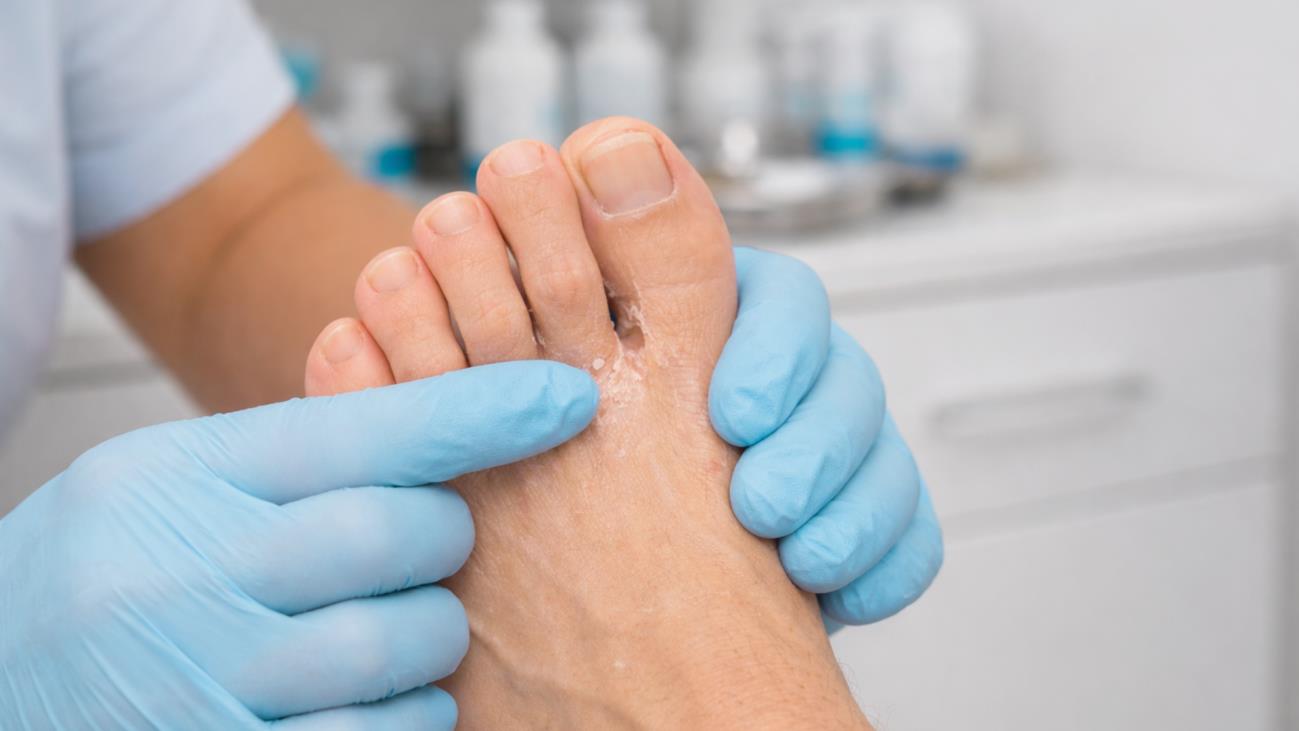
Athlete's foot is a common fungal infection that affects the skin of the feet, particularly between the toes. Is athlete's foot contagious? Yes, it spreads easily through direct contact and contaminated surfaces, especially in warm, moist environments like locker rooms, public showers, and inside tight shoes.
Because the fungus can survive on floors, towels, and footwear, even brief exposure may be enough for transmission. Understanding how it spreads, how to recognize it early, and how to prevent reinfection helps protect both your foot health and those around you.
How Common Is Athlete's Foot?
Fungal infections of the feet are common across all age groups. This infection affects millions of individuals each year and remains one of the most common fungal skin conditions involving the feet. It is especially common among athletes, people who frequent gyms or public pools, and individuals who wear tight or non-breathable footwear for extended periods.
However, you do not have to be an athlete to develop it. Anyone exposed to damp communal surfaces or who has persistently sweaty feet can develop this infection.
How Contagious Is Athlete's Foot and How Does It Spread?
The fungus responsible for this infection can survive on floors, towels, socks, and shoes, allowing it to spread easily in shared environments. This makes locker rooms, public showers, and pool areas common transmission sites.
Athlete's foot spreads through:
- Walking barefoot in shared spaces
- Sharing towels or footwear
- Wearing contaminated shoes
- Direct skin contact with infected areas
Because the fungus thrives in warm, moist conditions, tight shoes and damp socks create an ideal environment for it to multiply. Reinfection is also possible if footwear is not properly disinfected during treatment.
How to Know If You Have Athlete's Foot
Recognizing early signs is essential. Early recognition is important when unusual skin changes begin to appear on the feet. Common symptoms include:
- Persistent itching or burning between the toes
- Peeling, cracked, or flaky skin
- Redness or mild inflammation
- Small blisters in some cases
- Dry, scaling skin along the soles
Symptoms may start subtly and worsen over time if untreated.
How to Tell If You Have Athlete's Foot and Not Just Dry Skin
Distinguishing a fungal infection from simple dryness often comes down to persistence and pattern. Unlike ordinary dry skin, athlete's foot typically causes itching, spreads gradually, and does not improve with regular moisturizers alone. The skin may also appear well-defined in affected areas.
Is Athlete's Foot Painful?
In most cases, the infection causes itching and irritation rather than significant pain. However, discomfort can increase if the skin cracks deeply, blisters form, or a secondary bacterial infection develops. When left untreated, inflammation may worsen, leading to tenderness or soreness when walking.
Can Athlete's Foot Spread to the Legs or Body?
The infection can extend beyond the feet if fungal spores are transferred through scratching or skin contact. Scratching the affected area and then touching other parts of the body can transfer the fungus. It may spread to the groin (commonly called jock itch), hands, or other skin folds.
In more persistent cases, the fungus can also infect the toenails, making treatment more complex. Early intervention reduces the risk of spread.
How Long Is Athlete's Foot Contagious?
The infection remains contagious as long as active fungal growth is present. Without treatment, this can persist for weeks or even months. Beginning antifungal therapy reduces contagiousness, but it is important to complete the full course of treatment, even if symptoms improve, so the infection does not return.
Because symptoms can resemble other skin conditions, a professional evaluation helps confirm the diagnosis and ensure that the most appropriate treatment plan is used from the start. For detailed treatment guidance, you can review our related article on how to treat athlete's foot.
What Happens If Athlete's Foot Goes Untreated?
Without appropriate treatment, the infection may become chronic and progressively more difficult to manage. When ignored, the infection may:
- Become chronic and recurrent
- Cause thickened or hardened skin
- Lead to painful cracks or open sores
- Spread to the toenails
- Increase risk of complications in individuals with diabetes
For patients with underlying medical conditions, untreated fungal infections can create more serious concerns and should not be overlooked.
How to Stop Athlete's Foot from Spreading
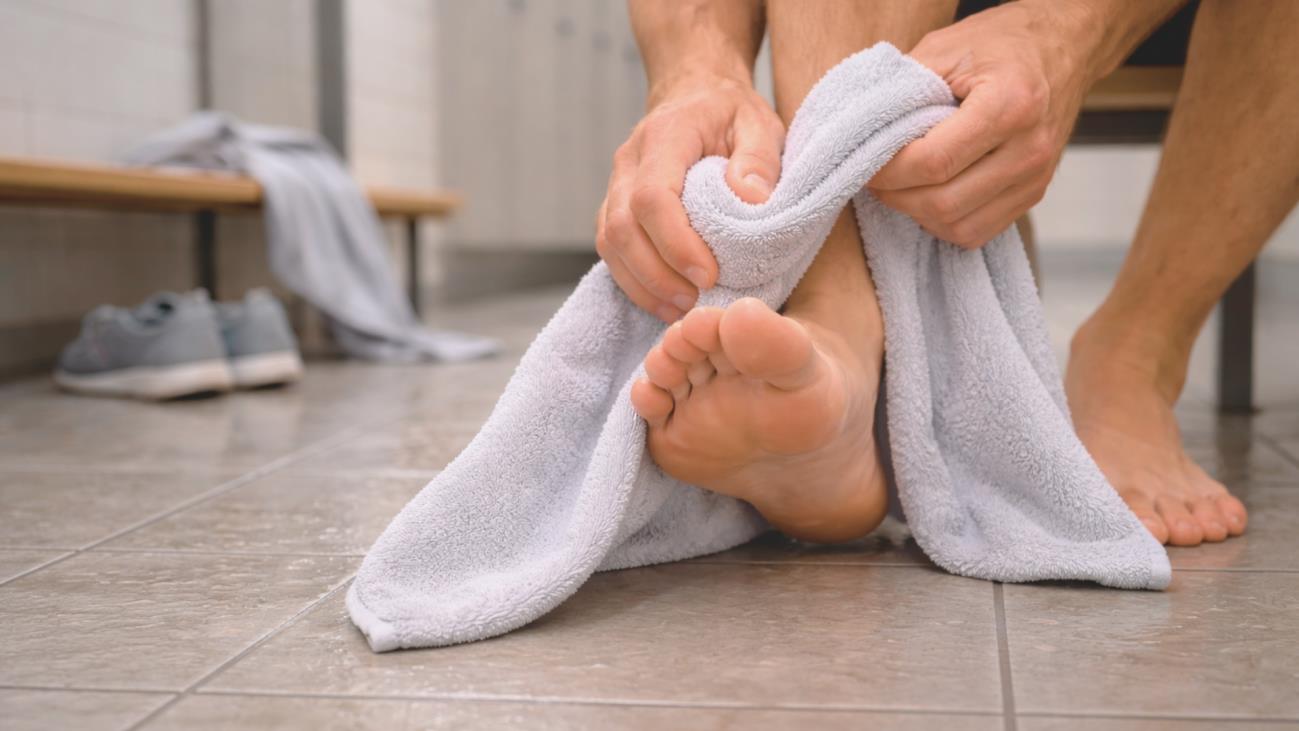
Preventing transmission requires both hygiene and consistency. To reduce the risk of spreading athlete's foot:
- Keep feet clean and dry
- Change socks daily (or more often if sweaty)
- Wear breathable footwear
- Rotate and disinfect shoes
- Avoid walking barefoot in communal areas
- Do not share towels or shoes
- Use antifungal powders if recommended
Prompt treatment combined with preventive measures significantly lowers the risk of reinfection.
Stop the Infection at Its Source
Athlete's foot is contagious, but early recognition and proper care can prevent it from spreading to other areas of the body or becoming a persistent issue. Paying attention to skin changes and addressing symptoms promptly protects both your comfort and long-term foot health.
If symptoms persist or continue spreading, the team at Foot & Ankle Specialists of New Mexico provides expert diagnosis and treatment for patients throughout New Mexico. Book an appointment today to receive personalized care and prevent infection from progressing.
Schedule an Appointment Today!
If any of these signs or symptoms sound familiar to you, don't wait! Schedule an appointment with one of our specialists TODAY and get back to living your best life! For more tips, tricks, and helpful information, be sure to check out our social media accounts!