How to Treat Athlete’s Foot and Keep It from Coming Back
January 5, 2026
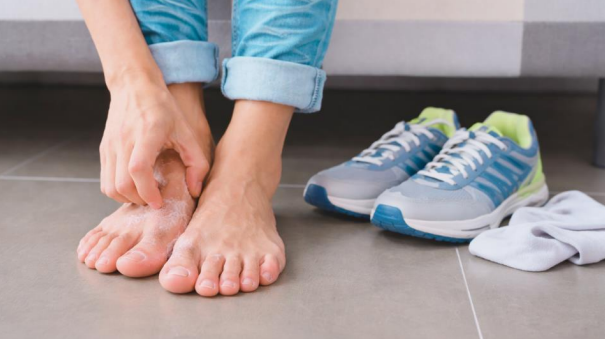
Athlete’s foot is a common fungal infection that affects the skin of the feet, often between the toes or along the soles. While it may start as mild itching or scaling, it can become persistent and uncomfortable if not treated correctly.Understanding how to treat athlete’s foot effectively, and how to prevent reinfection, is key to long-term relief.
This guide explains proven treatment steps, why athlete’s foot sometimes lingers, how it can lead to blisters or toenail fungus, and daily habits that help stop the infection from returning.
What Is Athlete’s Foot and Why It’s So Persistent
Athlete’s foot is caused by fungi that thrive in warm, moist environments. These organisms spread easily in places like locker rooms, public showers, and inside damp shoes. Because fungi can survive on surfaces and fabrics, infections may return even after symptoms appear to improve.
In mild cases, athlete’s foot may seem to clear on its own, which leads some people to assume the condition has resolved. In reality, whether athlete’s foot goes away completely depends on consistent treatment and proper prevention. Without both, lingering fungi can continue to multiply and cause recurrence.
How to Treat Athlete’s Foot Effectively
Knowing how to treat athlete’s foot starts with consistent care. Mild infections often respond well to over-the-counter antifungal creams, sprays, or powders when used daily for the full recommended duration. Washing feet regularly and drying thoroughly, especially between the toes, is essential during treatment.
For many people, this approach answers the question of how to get rid of athlete’s foot safely. However, infections that persist, worsen, or return may require more targeted treatment. A podiatrist can evaluate the severity of the infection and determine whether prescription-strength medication or a different treatment plan is needed. Professional guidance helps ensure treatment is effective and reduces the risk of recurrence.
Why Athlete’s Foot Keeps Coming Back
Recurrent infections are common and often linked to incomplete treatment or ongoing exposure. Why athlete’s foot won’t go away is usually explained by factors such as:
- Reusing contaminated shoes or socks
- Excessive sweating without moisture control
- Skipping daily antifungal use
- Failing to disinfect footwear
These issues also explain why you keep getting athlete’s foot, even after symptoms improve. Addressing the environment around your feet is just as important as treating the skin itself.
Can Athlete’s Foot Cause Blisters or More Severe Symptoms?
As the infection progresses, symptoms may worsen. Athlete’s foot can cause blisters, particularly when inflammation increases or the skin becomes overly moist. Cracking, oozing, or painful sores may also develop, increasing the risk of secondary bacterial infections.
Blistering or painful skin changes often signal the need for professional evaluation, especially if symptoms interfere with walking or daily activities.
Athlete’s Foot and Toenail Fungus
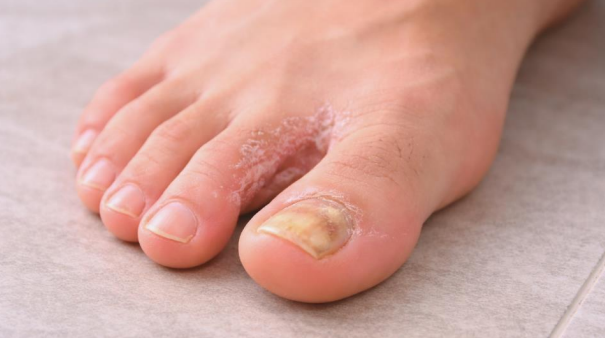
The same fungi that cause athlete’s foot can spread beyond the skin. Athlete’s foot can cause toenail fungus when the infection reaches the nail bed, leading to thickened, discolored, or brittle nails.
Once the nails are involved, treatment often becomes more complex and prolonged. For a deeper understanding of fungal nail infections, you may find Toenail Fungus 101 helpful.
How to Disinfect Shoes for Athlete’s Foot
Shoes are one of the most common sources of reinfection. Learning how to disinfect shoes for athlete’s foot is essential for preventing recurrence.
- Using antifungal sprays or powders inside shoes
- Rotating shoes to allow full drying between wears
- Wearing moisture-wicking socks and changing them daily
- Avoiding tight, non-breathable footwear
Keeping footwear clean and dry significantly reduces fungal survival.
Daily Habits That Help Prevent Recurrence
Long-term prevention focuses on reducing moisture and exposure. Simple habits make a meaningful difference:
- Dry feet completely after bathing
- Use a separate towel for your feet
- Wear sandals in public showers or locker rooms
- Wash socks in hot water
- Address excessive sweating early
When these habits are combined with proper treatment, recurrence becomes far less likely.
When to See a Podiatrist
Professional care is recommended if athlete’s foot:
- Persists despite consistent treatment
- Returns frequently
- Causes significant cracking, blisters, or pain
- Spreads to the toenails
- Occurs alongside conditions like diabetes or circulation issues
A podiatrist can confirm the diagnosis and recommend stronger or more targeted treatments when needed.
Stopping Athlete’s Foot for Good
Athlete’s foot is manageable, but only when both treatment and prevention are addressed together. Proper medication use, shoe disinfection, and daily hygiene all play a role in eliminating the infection and keeping it from coming back.
If symptoms aren’t improving or continue to return, a professional evaluation at Foot & Ankle Specialists of New Mexico can help identify the underlying cause and prevent complications. Book an appointment today to receive personalized care and guidance.
Schedule an Appointment Today!
If any of these signs or symptoms sound familiar to you, don’t wait! Schedule an appointment with one of our specialists TODAY and get back to living your best life! For more tips, tricks, and helpful information, be sure to check out our social media accounts!