Why Are My Toenails Yellow? Causes, Treatment, and When to See a Podiatrist
March 16, 2026
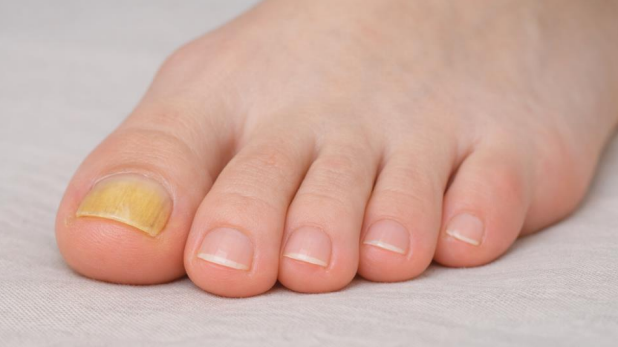
Yellow toenails are a common concern and can develop for several different reasons. When discoloration appears or gradually becomes more noticeable, it may lead someone to consider why are my toenails yellow and whether the change could indicate an infection or another nail condition.
In many cases, yellowing toenails are caused by fungal nail infections, but discoloration may also result from nail trauma, thickening of the nail plate, certain medical conditions such as diabetes, or prolonged use of dark nail polish. Identifying the underlying cause is important, particularly when discoloration occurs alongside thickening, brittleness, or discomfort.
What Causes Yellow Toenails?
Several factors can lead to yellow discoloration of the toenails, ranging from minor cosmetic staining to infections that may require medical treatment. When the change affects only one nail, it may lead someone to consider why is my toenail yellow, especially if the other nails appear normal.
Fungal Nail Infections
Fungal infections are one of the most common causes of yellow discoloration in toenails. These infections develop when fungi grow beneath the nail plate, often in warm, moist environments such as shoes, locker rooms, or public showers.
Over time, the infection may cause the nail to become thicker, brittle, or distorted as it progresses. Without treatment, fungal infections can gradually worsen and may spread to additional nails. You can learn more about fungal nail infections in our guide on Toenail Fungus 101.
Nail Trauma or Repeated Pressure
Repeated pressure or injury to the toenail can also cause discoloration. Tight shoes, running, or accidental impact may damage the nail bed and lead to toenails turning yellow as the nail grows out.
This is particularly common when people notice why is my big toenail yellow, since the big toe experiences the most pressure during walking and athletic activity.
Nail Thickening and Aging
As nails age, they often become thicker and grow more slowly. These changes can sometimes cause yellowing of the nail plate, even without infection.
Although this process is usually harmless, thicker nails may become more vulnerable to fungal infections or other nail conditions.
Nail Polish Staining
Frequent use of dark nail polish may also contribute to discoloration. Pigments from polish can stain the nail surface, causing temporary yellowing of the nails.
In these situations, the nail usually remains smooth and painless, and the discoloration gradually fades as the nail grows out.
Medical Conditions That Affect Nail Color
Certain health conditions may contribute to nail discoloration. For example, what causes yellowing of toenails can sometimes be linked to underlying medical issues such as diabetes, psoriasis, circulatory problems, and respiratory conditions. These may affect nail growth or structure and lead to persistent color changes.
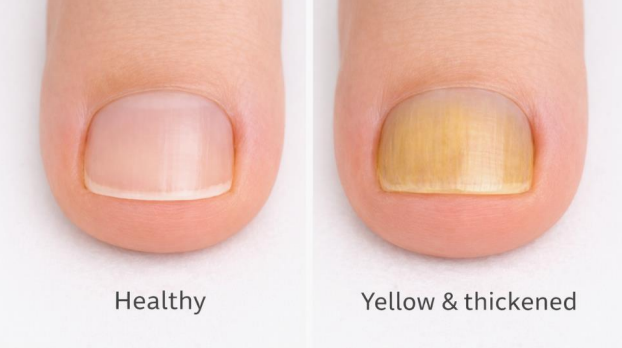
Symptoms That May Indicate an Infection
Not all yellow nails are caused by infection, but certain symptoms may suggest that medical evaluation is appropriate.
Signs that may indicate an infection include:
- Thick yellow toenails
- Nails becoming brittle or crumbly
- Distorted nail shape
- Nail separation from the nail bed
- Discoloration spreading to multiple nails
- Pain or pressure when wearing shoes
When these symptoms appear, professional evaluation can help determine the underlying cause and guide treatment.
Treatment Options for Yellow Toenails
Treatment depends on the underlying reason why do toenails turn yellow. In some cases, simple nail care changes may help improve the appearance of the nail, while infections or other nail conditions may require medical treatment.
Improving Nail Care Habits
Mild discoloration from nail polish staining or minor nail changes may improve as the nail grows out. Helpful habits include:
- Keeping nails clean and dry
- Wearing properly fitted shoes
- Avoiding prolonged use of dark nail polish
- Changing socks regularly
- Trimming nails straight across
Medical Treatment for Toenail Fungus
When discoloration is caused by a fungal infection, antifungal treatment may be necessary to eliminate the infection. Treatment options may include:
- Prescription topical antifungal medications
- Oral antifungal medications
- Professional nail trimming or thinning
Learn more about treatment options on our toenail fungus treatment page.
Managing Nail Trauma
When discoloration occurs after repeated pressure or injury, treatment focuses on protecting the nail while it grows out. Wearing properly fitted footwear and avoiding repeated trauma can help prevent further nail damage. In some cases, a podiatrist may trim or reduce thickened nail areas to relieve pressure and improve comfort.
Addressing Underlying Health Conditions
If yellow nails are associated with medical conditions such as diabetes or psoriasis, treatment may involve managing the underlying condition along with nail care. A podiatrist can help determine whether nail changes are related to infection, injury, or another health issue.

When to See a Podiatrist
Persistent nail discoloration should be evaluated if symptoms worsen or do not improve over time. Consider seeking medical evaluation if you notice:
- Yellow discoloration that continues to worsen
- Thick or distorted nails
- Pain around the nail
- Nail separation from the nail bed
- Multiple nails becoming affected
Early diagnosis helps identify infections or underlying conditions before they become more difficult to treat.
Addressing Yellow Toenails Early
Yellow toenails may develop for several reasons, and identifying the underlying cause is important for proper treatment. When discoloration is accompanied by thickening, brittleness, or discomfort, professional evaluation can help determine whether the issue is related to infection, nail trauma, or another condition affecting the nail.
If nail changes continue to worsen or do not improve, Foot & Ankle Specialists of New Mexico provide expert care for nail and foot conditions throughout New Mexico. You can explore our clinic locations or book an appointment for a comprehensive evaluation and personalized care plan.
Schedule an Appointment Today!
If any of these signs or symptoms sound familiar to you, don't wait! Schedule an appointment with one of our specialists TODAY and get back to living your best life! For more tips, tricks, and helpful information, be sure to check out our social media accounts!