Toenail Fungus Symptoms: Pain, Nail Loss, and How to Know If It's Getting Better or Worse
January 20, 2026
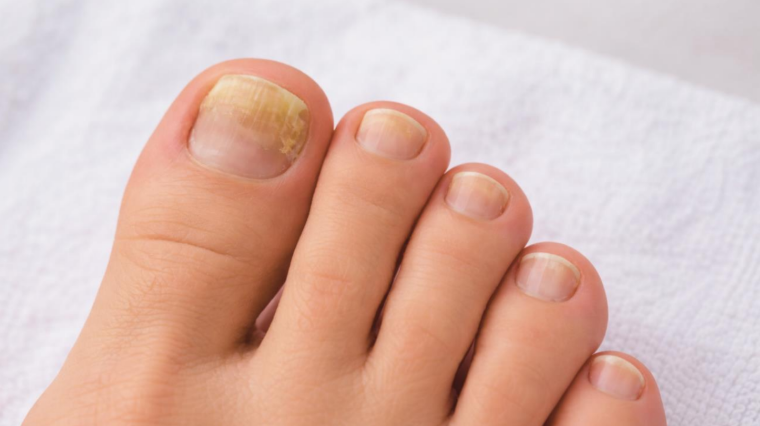
Toenail fungus often develops slowly, which can make it difficult to recognize what's happening, or whether the condition is improving or worsening. Many people live with changes to their toenails for months before realizing an infection is present. Understanding how to tell if you have toenail fungus is an important first step toward protecting nail health and preventing complications.
This article explains what toenail fungus looks and feels like as it progresses, when pain or nail loss may occur, and how to recognize signs of improvement with treatment.
Early and Common Signs of Toenail Fungus
Toenail fungus, also known as onychomycosis, typically begins with subtle changes that become more noticeable over time. Understanding how to tell if you have toenail fungus starts with recognizing these early warning signs:
- Discoloration of the nail, often white, yellow, or light brown
- A dull or cloudy appearance on the nail surface
- Gradual thickening of the nail
- Brittle or crumbly nail texture
- Changes in nail shape or contour
Because toenails grow slowly, these changes often develop gradually and can be easy to overlook without regular inspection. Identifying symptoms early can help prevent the infection from becoming more advanced. For a broader overview of what toenail fungus is, how it develops, and common causes, explore our related article Toenail Fungus 101.
Does Toenail Fungus Hurt as It Progresses?
In the early stages, toenail fungus is often painless. However, many people wonder does toenail fungus hurt once the infection advances. As the nail thickens or becomes misshapen, pressure from shoes can cause discomfort or tenderness. Pain may also occur if the nail separates slightly from the nail bed or if the surrounding skin becomes irritated.
Pain is more common in moderate to severe infections and may interfere with walking, exercise, or wearing closed-toe shoes comfortably.
Is Toenail Fungus Dangerous?
Toenail fungus is not usually a medical emergency, but untreated infections can worsen over time. As the condition progresses, nails may become thick, brittle, or distorted, leading to discomfort and difficulty wearing shoes.
Fungal infections can also spread to other nails or surrounding skin. For individuals with diabetes, circulation problems, or weakened immune systems, early evaluation and treatment are especially important.
How to Know If Toenail Fungus Is Getting Better or Worse
Improvement with treatment takes time, and progress is often gradual. Signs of improvement usually appear at the base of the nail, where new growth looks clearer and healthier. Over time, the nail may become less thick or brittle as damaged portions slowly grow out.
Worsening infection may be indicated by increasing discoloration, continued thickening, spread to additional toenails, or persistent discomfort. Because toenails grow slowly, noticeable changes can take several months, and full regrowth may take a year or longer.
If you've been wondering whether toenail fungus can go away on its own without treatment, understanding the timeline for both improvement and worsening can help guide that decision.
How Do I Know If Toenail Fungus Is Dying
When treatment is effective, fungal activity gradually decreases as healthier nail growth replaces the damaged portion. Clear nail growth near the cuticle, combined with fewer changes in color, texture, or thickness, often suggests that the infection is responding. Consistent monitoring over time is important, as temporary improvements can occur even if the fungus has not been fully eliminated.
What to Do If a Toenail Falls Off From Fungus?
In advanced cases, a fungal infection can cause the toenail to loosen or detach from the nail bed. When this occurs, it does not mean the infection has resolved. Fungal organisms can remain in the nail bed and affect new nail growth if the underlying issue is not addressed.
Keeping the area clean and protected is important to reduce the risk of further irritation or infection. Professional evaluation is recommended to confirm that the fungal infection is properly treated and to support healthy nail regrowth as the new nail develops.
Does Nail Polish Cause Toenail Fungus?
Nail polish does not directly cause toenail fungus, but it can trap moisture and limit airflow, allowing an existing infection to persist or worsen. It may also hide early nail changes, delaying diagnosis and treatment.
During an active infection, limiting or avoiding nail polish helps improve treatment outcomes and allows for clearer monitoring of nail health.

When to Seek Professional Treatment
Professional care is recommended if you notice any of the following:
- Toenail changes that continue to worsen or spread to other nails
- Pain, pressure, or difficulty wearing shoes comfortably
- Nail thickening or lifting from the nail bed
- Little or no improvement with at-home or over-the-counter treatments
- Underlying conditions such as diabetes, circulation issues, or a weakened immune system
A podiatrist can confirm the diagnosis and recommend appropriate treatment based on the severity of the infection and overall foot health. Learn more about professional toenail fungus treatment options.
Getting Clarity and Taking the Next Step
Toenail fungus can be frustrating, especially when changes happen slowly or symptoms worsen over time. Recognizing pain, nail loss, and signs of improvement helps patients understand what their nails are telling them and when action is needed.
If toenail changes are worsening, painful, or not improving over time, a professional evaluation at Foot & Ankle Specialists of New Mexico can help guide the right treatment plan. Book an appointment today to receive personalized care and guidance.
Schedule an Appointment Today!
If any of these signs or symptoms sound familiar to you, don't wait! Schedule an appointment with one of our specialists TODAY and get back to living your best life! For more tips, tricks, and helpful information, be sure to check out our social media accounts!