Red Color on Bottom of Feet: Causes and When to Be Concerned
May 19, 2026
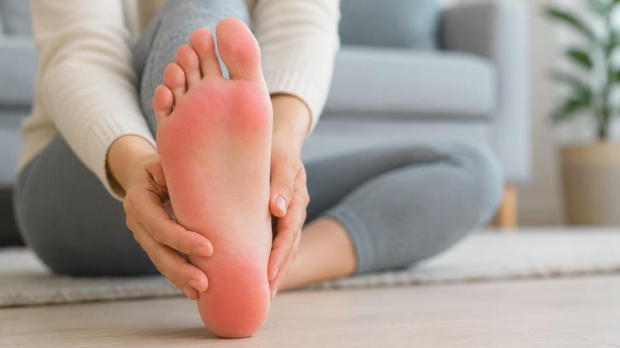
Noticing redness on the bottom of your feet can be surprising, especially when it appears without an obvious explanation. For some people it comes with itching or discomfort, while others notice it completely by chance with no pain at all.
Red color on bottom of feet can develop for a range of reasons, from everyday friction and skin irritation to fungal infections, allergic reactions, or changes in circulation. Understanding what might be behind it, and when it warrants a closer look, can help you make the right decision about next steps.
Why Are the Bottom of My Feet Red? Common Causes to Know
There is no single explanation; several different conditions can produce similar-looking redness on the sole. The cause often becomes clearer when you consider other symptoms present alongside the redness, how long it has been there, and whether anything seems to trigger or relieve it.
Pressure, Friction, and Irritation
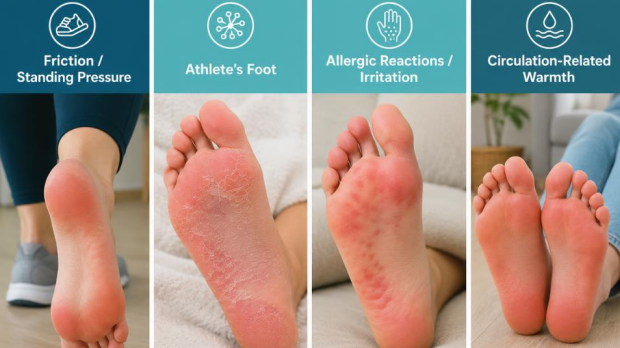
One of the most common and straightforward explanations is physical stress on the foot. Spending long hours standing, walking on hard surfaces, or wearing shoes that don't fit well can create pressure and friction on the sole, leading to increased blood flow and mild inflammation.
This type of redness tends to appear in areas that bear the most weight and usually improves with rest, better footwear, and cushioning. It's one of the reasons why are the bottom of my feet so red after a long day on your feet, though if it persists, it's worth paying attention to.
Athlete's Foot (Tinea Pedis)
Most people associate athlete's foot with itching between the toes, but there is a plantar form, known as moccasin-type tinea pedis, that affects the sole directly. According to the National Library of Medicine, this type presents with redness, scaling, and thickening on the soles, heels, and sides of the foot, and can be easily mistaken for dry skin or irritation.
This form of athlete's foot tends to develop gradually and may not always cause significant itching, which is part of why why are the soles of my feet red is such a common question, the fungal connection isn't always obvious. You can learn more about fungal foot infections and available treatments by visiting our Toenail Fungus Treatment page.
Contact Dermatitis and Allergic Reactions
Redness on the sole can also be the result of a reaction to something the foot has come into contact with, shoe materials, fabric dyes, rubber, certain socks, or skincare products. When the skin reacts to an allergen or irritant, it can produce redness that ranges from mild to more noticeable, often accompanied by itching or a visible rash.
This type of redness tends to appear in a pattern that reflects where the irritating material makes direct contact with the foot, which can help identify the likely trigger.
Inflammatory Conditions and Circulation Changes
Some cases of red, warm, or burning feet point to deeper underlying conditions. Erythromelalgia, for example, is a condition described by the National Library of Medicine as a syndrome involving redness, warmth, and burning pain in the extremities, most commonly the feet, that is typically triggered by heat or prolonged activity.
Circulation-related changes, including peripheral artery disease or venous insufficiency, can also affect skin color and temperature in the feet. These causes are less common but more important to identify early, particularly for individuals with diabetes or cardiovascular conditions.
Bottom of Feet Red but No Pain: What Could It Mean?
Painless redness is one of the most commonly searched variations of this concern, and for good reason. This type of redness can still have an underlying cause worth addressing.
Contact dermatitis, early-stage athlete's foot, pressure-related inflammation, or mild circulatory changes can all produce visible redness without significant discomfort.
The absence of pain doesn't always mean the cause is minor. Some conditions, particularly those related to nerve function or circulation, can reduce the sensation in the feet, making it possible to have redness without feeling it. This is especially relevant for individuals with diabetes.
How a Podiatrist Evaluates Red Feet
A podiatrist may begin by reviewing the patient's history, including footwear habits, activity levels, any known allergies, and whether underlying health conditions are present. A physical examination of the skin, texture, and temperature of the affected area helps narrow down the cause.
When the origin isn't clear from examination alone, additional testing may be recommended, such as skin cultures or lab work, to confirm whether a fungal infection, allergic reaction, or systemic condition is involved.
When Should Red Feet Be a Concern?
Why are my feet so red is a question worth taking seriously when redness is accompanied by other symptoms. Consider seeking evaluation if you notice:
- Redness that persists or worsens without a clear cause
- Swelling, warmth, or tenderness alongside the redness
- Fever or red streaks extending from the affected area
- Redness that appears or changes in a foot affected by diabetes
- Recurring redness that keeps coming back without explanation
- No improvement after adjusting footwear or reducing activity
Finding the Right Care for Your Feet in New Mexico
Red color on bottom of feet is not always a cause for alarm, but it is always worth understanding. Whether the redness turns out to be something simple or a sign of an underlying condition, getting the right diagnosis ensures you receive the right care, not a general approach that may not address the real cause.
If why are bottom of feet red is a question you've been asking yourself, Foot & Ankle Specialists of New Mexico is here to help. Our podiatrists serve patients throughout New Mexico. You can visit one of our clinic locations or schedule an appointment for a thorough evaluation and a care plan tailored to you.
Schedule an Appointment Today!
If any of these signs or symptoms sound familiar to you, don't wait! Schedule an appointment with one of our specialists TODAY and get back to living your best life! For more tips, tricks, and helpful information, be sure to check out our social media accounts!