How to Prevent Sports Injuries and Recover the Right Way
December 9, 2025
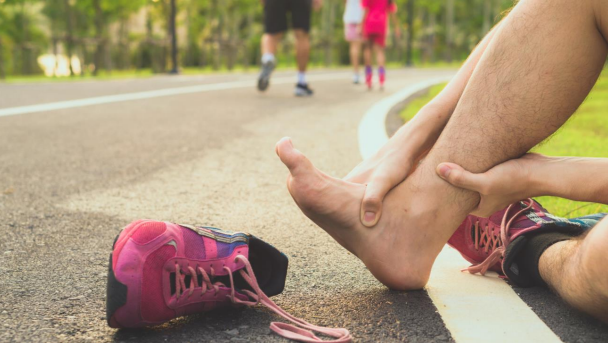
Staying active is one of the best things you can do for your health, but it also increases the risk of injury, especially if you’re training hard or returning to exercise after a break. Whether you’re a weekend runner, a gym enthusiast, or someone who enjoys recreational sports, learning how to avoid sports injuries is essential for staying strong and confident in your routine.
This guide explains the most common sports injuries, why sprains top the list, and how to protect yourself through proper warm-ups, stretching, footwear, and training habits. You’ll also learn how to recover from sports injury safely so you can return to activity without risking long-term complications.
1. The Most Common Sports Injuries and Why Sprains Lead the List
People who participate in sports or regular physical activity experience a variety of injuries, but some occur far more often than others. Among all categories, sprains are the most common sports injury, especially ankle sprains. These happen when a ligament is stretched or torn, typically during sudden direction changes, uneven surfaces, or awkward landings.
Sprains are especially common because they can occur in nearly any activity, from running and basketball to hiking, soccer, or fitness training. If not treated properly, they often recur, which is one reason podiatrists see them so frequently.
In addition to sprains, active individuals and people who practice sports often experience a variety of foot and ankle injuries, including:
- Achilles tendonitis
- Plantar fasciitis and heel pain
- Stress fractures, especially in runners
- Shin splints
- Peroneal tendon injuries
- Turf toe
- Muscle and tendon strains
Many of these injuries start with mild symptoms such as stiffness, tenderness, swelling, or instability. Paying attention to these early signs can prevent a small issue from becoming a long-term problem.
2. Why Sports Injuries Happen
Sports injuries often develop from repetitive stress, sudden movement, or inadequate preparation. The most common causes include:
- Skipping warm-ups
- Muscle weakness or imbalances
- Overtraining or sudden increases in speed, mileage, or intensity
- Improper technique or movement patterns
- Limited flexibility
- Wearing worn-out or improper footwear
- Training on hard or uneven surfaces
- Not allowing enough rest between workouts
Recognizing these patterns helps you understand how to avoid sports injuries before they disrupt your routine.
3. How to Avoid Sports Injuries
Small, consistent habits can dramatically lower your risk of injury.
Warm Up the Right Way
A quick warm-up boosts blood flow, activates muscles, and prepares the joints for movement. Try 5–10 minutes of light cardio and dynamic stretching.
Strengthen Key Muscle Groups
Strong hips, glutes, calves, and core muscles stabilize your lower legs, reducing your risk of sprains and strains.
Improve Flexibility
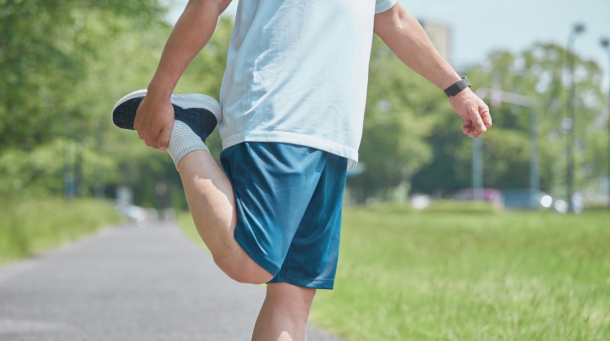
Dynamic stretching before activity and gentle static stretching afterward help protect muscles and tendons.
Progress Gradually
Avoid sudden jumps in intensity or mileage. Slow, steady progress protects soft tissues.
Wear Proper Footwear
Well-fitted shoes that are not overly worn are essential for shock absorption and proper alignment. Orthotics can also help when additional support is needed. A podiatrist can determine which type is best for your foot structure and activity level.
Listen to Early Warning Signs
Pain, stiffness, or swelling are signs to rest, not push through.
4. How to Recover From Sports Injury the Right Way
Safe recovery protects your long-term mobility and reduces the chance of re-injury. Here’s how to recover from sports injury effectively.
Start With Early Care (P.E.A.C.E. Approach)
Modern sports medicine uses the P.E.A.C.E. & L.O.V.E. framework for soft-tissue injury recovery.
P.E.A.C.E. (first 48–72 hours):
- Protect the injured area
- Elevate to reduce swelling
- Avoid anti-inflammatories early
- Compress with wraps or bandages
- Educate yourself with specialist guidance
A podiatrist can determine how long this protective phase should last based on the severity of your injury.
Transition to L.O.V.E.
After the acute phase, healing benefits from guided movement:
- Load the tissue gradually
- Optimism to support recovery
- Vascularization, such as light cardio
- Exercise to rebuild strength and stability
A podiatrist or physical therapist should supervise these steps to ensure safe progress and prevent re-injury.
Therapeutic Exercise and Strengthening
A podiatrist may recommend a personalized rehabilitation plan to restore mobility, balance, and proper movement mechanics.
Supportive Devices
Bracing, taping, orthotics, or immobilization may be needed depending on the injury. A podiatrist determines which devices are appropriate and how long they should be used.
5. When to See a Specialist
Some sports injuries can be managed at home, but others require professional evaluation to prevent long-term issues. You should seek podiatric care if you experience:
- Persistent swelling or pain
- Difficulty bearing weight
- Repeated ankle sprains
- Instability or “giving way”
- Symptoms that last longer than a week
Prompt evaluation helps ensure proper healing and reduces the risk of chronic problems.
A podiatrist can provide comprehensive care for foot and ankle injuries, including diagnostic imaging, personalized treatment plans, rehabilitation guidance, and support devices such as orthotics or bracing.
Stay Healthy, Stay Active
Preventing injuries doesn’t have to be complicated. Simple habits protect your body and keep you moving. And if an injury does occur, the right care can make all the difference.
If you’re ready to recover safely and get back to doing what you love, book an appointment today at Foot & Ankle Specialists of New Mexico.
Schedule an Appointment Today!
If any of these signs or symptoms sound familiar to you, don’t wait! Schedule an appointment with one of our specialists TODAY and get back to living your best life! For more tips, tricks, and helpful information, be sure to check out our social media accounts!