How Often Should You Cut Your Toenails? A Podiatrist's Guide
May 28, 2026
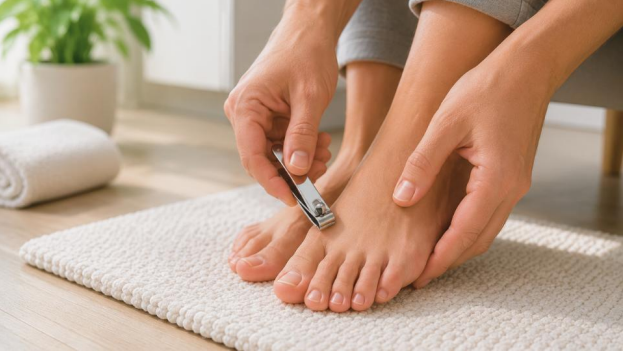
Toenail trimming is one of those routine habits that most people do without much thought, but how often you trim and how you do it can have a real impact on your foot health.
How often should you cut your toenails is a more important question than it might seem. Trimming too short, too infrequently, or with the wrong technique can lead to ingrown nails, infections, and unnecessary discomfort. This guide covers what you need to know, from recommended frequency and proper technique to special considerations for certain patients.
How Often to Cut Toenails: General Guidelines
For most adults, trimming toenails every 6 to 8 weeks is a reasonable general guideline. Toenails grow much more slowly than fingernails, approximately 2mm per month, which means how often to trim toenails depends largely on your individual growth rate rather than a fixed schedule.
A practical rule of thumb: trim when the nail reaches or slightly extends beyond the tip of the toe. Waiting until nails are noticeably long increases the risk of nail trauma from footwear and makes trimming more difficult.
Does Trimming Too Often, or Not Enough, Cause Problems?
Both extremes can cause issues. Trimming too frequently, or cutting nails too short, exposes the sensitive nail bed and increases the likelihood of the nail growing into surrounding skin as it regrows.
On the other end, infrequent trimming allows nails to press against the inside of footwear, creating repetitive pressure that can lead to nail trauma, pain, and a higher risk of fungal buildup beneath the nail. Finding a consistent routine is the simplest way to avoid both problems.
How to Cut Toenails the Right Way
Frequency matters, but technique matters just as much. According to the National Library of Medicine, proper nail trimming technique is a key factor in preventing ingrown toenails, one of the most common nail-related conditions seen in podiatry.
Cut Straight Across
Always trim toenails straight across rather than following the curve of the toe. Rounding the corners directs nail growth into the surrounding skin, which is one of the leading causes of ingrown toenails. Keep the nail long enough so the corners rest loosely against the skin, not so short that the nail bed is exposed. If you are already dealing with an ingrown toenail, visit our ingrown toenail treatment page to learn about available options.
Use the Right Tools
Toenails are broader and thicker than fingernails, so dedicated toenail clippers are the right tool for the job. Fingernail clippers may not provide enough cutting power, which can cause the nail to crack or split rather than cut cleanly, increasing the risk of sharp edges that catch on skin.
Soften the Nails First
Trimming nails after a shower or a brief warm water soak makes them easier to cut cleanly. Dry, hard nails are more likely to crack or splinter during trimming, which can leave uneven edges that irritate surrounding tissue.
File Any Sharp Edges
After trimming, use a nail file to gently smooth any rough corners or edges. The goal is to eliminate sharpness, not to round the nail shape, so the nail sits comfortably without snagging on socks or skin.

Toenail Care for Special Populations
Toenail trimming looks the same for most people, but for some, the stakes are higher. Certain health conditions, age-related changes, and activity levels can affect how often nails should be trimmed and whether professional care is the safer choice.
Diabetes and Circulation Issues
For individuals with diabetes or poor circulation, toenail care requires extra attention. Reduced sensation in the feet means that small nicks or cuts from trimming can go unnoticed, and without proper healing, minor injuries can develop into more serious complications. How often should I cut my toe nails if you have diabetes? The answer is carefully and consistently, and for many patients, professional trimming by a podiatrist is the safest approach.
Older Adults
Nail growth slows with age, and toenails often become thicker and more difficult to trim safely at home. A podiatrist can trim nails properly while also monitoring for other changes, such as discoloration, thickening, or signs of infection, that are worth addressing early.
Athletes
Runners and athletes who spend long hours in closed footwear are more prone to nail trauma from repetitive impact. Keeping nails trimmed slightly shorter and more frequently helps reduce pressure against the toe box and lowers the risk of bruising or nail loss over time.
Signs You Should See a Podiatrist for Nail Care
Some nail concerns go beyond routine trimming and benefit from professional attention. Consider scheduling an evaluation if you notice:
- Nails that are thickened, discolored, or painful to trim
- Recurring ingrown toenails that keep coming back
- Diabetes, neuropathy, or poor circulation affecting the feet
- Difficulty trimming safely or comfortably at home
- Any nail changes that seem unusual or are not improving
Keeping Your Toenails Healthy Starts With the Right Routine
How often should you cut your toenails in general depends on your individual growth rate, nail health, and lifestyle, and the right answer isn't always the same for everyone. While general guidelines are a helpful starting point, a podiatrist can provide personalized guidance to make sure your nail care routine is actually working for your feet.
If you have concerns about your toenail health or would like professional nail care, Foot & Ankle Specialists of New Mexico is here to help. Our podiatrists serve patients throughout New Mexico. You can explore our clinic locations or schedule an appointment for personalized guidance and care tailored to your needs.
Schedule an Appointment Today!
If any of these signs or symptoms sound familiar to you, don't wait! Schedule an appointment with one of our specialists TODAY and get back to living your best life! For more tips, tricks, and helpful information, be sure to check out our social media accounts!