Hammertoes Explained
November 21, 2025
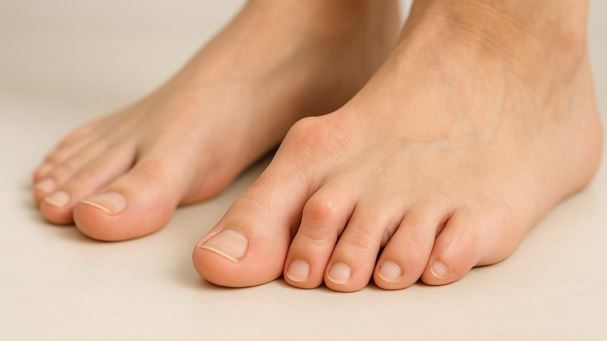
Hammertoes Explained: What Causes Them and How to Treat or Prevent Them
Hammertoes are a common foot problem that can become painful and limiting over time. Many people first notice a toe that doesn’t lie flat, feels stiff, or rubs uncomfortably inside shoes. Over time, that small bend can turn into a more noticeable deformity, making it difficult to walk comfortably, fit into shoes, or stay active.
This blog breaks down what hammertoes are, what causes hammertoes, and the most effective ways to treat or fix hammertoes, including both conservative care and surgical correction. You’ll also learn how to prevent hammertoes from developing or worsening.
What Are Hammertoes?
Hammertoes occur when one of the smaller toes bends abnormally at the middle joint, creating a shape that resembles a hammer. This bend happens because the muscles and tendons around the toe fall out of balance and begin pulling the toe into a curled position.
- Flexible hammertoes: The toe can still move and be straightened manually.
- Rigid hammertoes: The toe becomes fixed in a bent position and cannot be straightened without treatment.
Understanding what hammertoes are helps explain why early care is so important. Flexible hammertoes often respond well to conservative treatment, while rigid hammertoes may require a more structured approach.
What Causes Hammertoes?
Hammertoes develop for several reasons, often related to genetics, foot structure, or long-term pressure inside shoes. Some of the most common causes include:
Foot Structure & Genetics
The way your foot is built can make you more likely to develop hammertoes. High arches, flat feet, long toes, or inherited foot mechanics all increase pressure on the toe joints and contribute to the deformity.
Tight or Ill-Fitting Shoes
Shoes that are narrow, tight, or have a shallow toe box force the toes into unnatural positions. High heels are a major contributor because they push the foot forward, crowding the toes.
Muscle Imbalance
When the muscles that control the toe become weak or overpowered by opposing muscles, the toe gradually bends and may become stuck in that position.
Past Toe Injuries
Stubbing, jamming, or fracturing a toe can disrupt normal alignment and increase the likelihood of a hammertoe forming later.
Underlying Medical Conditions
Conditions such as bunions, arthritis, and peripheral neuropathy can shift pressure in the foot or weaken muscle control, making a toe more prone to bending. People with diabetes also have a higher risk due to nerve and structural changes over time.
Understanding what causes hammertoes can help you identify the habits or foot mechanics that may need attention.
Signs and Symptoms of Hammertoes
Hammertoes usually start gradually. Early signs may include:
- A toe that begins to curl or sit higher than neighboring toes
- Stiffness or discomfort when bending the toe
- Irritation when wearing certain shoes
As the condition progresses, symptoms may become more noticeable:
- Corns or calluses from the toe rubbing against footwear
- Redness or swelling at the joint
- Pain when walking or wearing closed shoes
- The toe becoming harder to move
Advanced hammertoes may become rigid or cause pain in the ball of the foot due to increased pressure.
How to Treat Hammertoes (Non-Surgical Options)
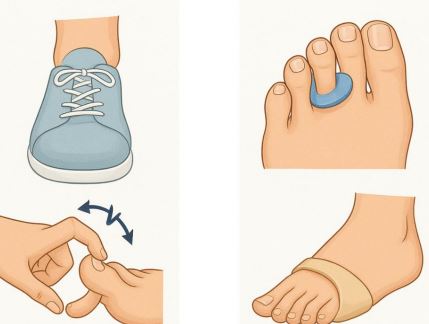
The best approach depends on whether the hammertoe is flexible or rigid. Early, flexible hammertoes often respond well to conservative care.
Supportive Footwear
Switching to shoes with a wide toe box, soft materials, and low heels reduces pressure and irritation.
Padding & Offloading
Toe cushions, corn pads, and protective padding help reduce friction.
Stretching and Strengthening Exercises
Simple daily exercises can help rebalance the muscles that support the toes. These include towel scrunches, marble pickups, and gentle toe stretches.
Toe Splints or Straighteners
These devices help guide the toe into a more natural position during activities.
Custom Orthotics
Supportive inserts help correct underlying mechanics, offload pressure, and slow the progression of the deformity.
Corn & Callus Treatment
A podiatrist may gently remove thickened skin to reduce pain and pressure.
These approaches explain the conservative side of how to treat hammertoes and help many patients avoid progression.
Surgical Options: How to Fix Hammertoes
When a hammertoe becomes rigid, painful, or difficult to accommodate in shoes, surgery may be recommended.
Surgical procedures to fix hammertoes include:
- Tendon release: relaxing tightened tendons to restore alignment
- Joint resection: removing part of the joint to allow the toe to straighten
- Fusion (arthrodesis): permanently straightening the toe by joining the joint
Most procedures are outpatient, and patients typically walk in a surgical shoe shortly after surgery.
How to Prevent Hammertoes
Good habits can significantly reduce your risk of developing hammertoes or prevent existing ones from worsening.
- Choose shoes with wide toe boxes
- Avoid high heels and tight footwear
- Perform daily toe stretches and strengthening exercises
- Treat bunions or flat feet early
- Check your feet regularly for pressure spots or changes
Following these steps is the foundation of how to prevent hammertoes and keep your feet healthier long term.
Taking the Next Step Toward Relief
Hammertoes are common, but early treatment and prevention can make a meaningful difference in your comfort and mobility. Whether you’re noticing early bending or dealing with long-term stiffness, the podiatrists at Foot & Ankle Specialists of New Mexico can help with accurate diagnosis and personalized treatment options.
If you’re experiencing toe pain, stiffness, or difficulty fitting into shoes, book an appointment today to get the care you need.
Schedule an Appointment Today!
If any of these signs or symptoms sound familiar to you, don’t wait! Schedule an appointment with one of our specialists TODAY and get back to living your best life! For more tips, tricks, and helpful information, be sure to check out our social media accounts!