Diabetic Foot Ulcers and Blisters: Causes, Risks, and How to Prevent Serious Complications
January 29, 2026
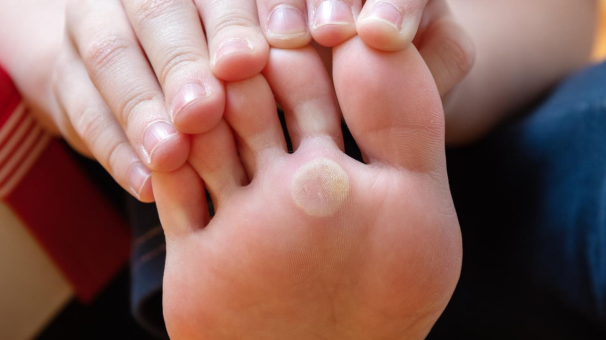
Foot problems are a common and serious concern for people living with diabetes. Changes in circulation, nerve function, and skin health can make the feet more vulnerable to injuries that may go unnoticed and worsen over time. Understanding diabetic foot ulcers, blisters, and early skin breakdown is essential for preventing infections and avoiding long-term complications.
This article explains what causes diabetic foot ulcers, whether diabetic blisters are dangerous, and how proper daily care can help protect your feet before problems start.
What Are Diabetic Foot Ulcers?
Diabetic foot ulcers are open sores or wounds that typically develop on the bottom of the foot or around areas of pressure, such as the toes or heel. They often begin as small skin injuries but can progress quickly if not addressed.
Ulcers are especially concerning because diabetes can reduce sensation in the feet, making it easier to miss early warning signs. Without prompt care, these wounds may deepen, become infected, or lead to more serious complications.
What Causes Diabetic Foot Ulcers?
Understanding the causes of diabetic foot ulcers helps clarify why prevention and early care are essential. Ulcers typically form when several risk factors overlap:
- Neuropathy (nerve damage): Reduced sensation makes it difficult to feel pain, pressure, or minor injuries.
- Poor circulation: Slower blood flow limits the body's ability to heal wounds.
- Pressure and friction: Ill-fitting shoes or foot deformities can create repeated stress on certain areas.
- Dry or fragile skin: Diabetes can cause skin to crack, allowing bacteria to enter.
Even a small blister or callus can evolve into an ulcer if these risk factors are present.
Does Diabetes Cause Blisters?
While diabetes doesn't directly cause blisters in everyone, some individuals develop diabetic blisters, also known as bullosis diabeticorum. These fluid-filled blisters can appear suddenly on the feet or toes, often without pain or trauma.
Blisters may also form due to friction from shoes, especially when sensation is reduced and pressure goes unnoticed.
Are Diabetic Blisters Dangerous?
While some blisters heal on their own, they should never be ignored. Blisters can break open and create an entry point for infection, especially when circulation and immune response are compromised.
If a blister becomes red, swollen, painful, or shows signs of drainage, professional evaluation is recommended. Proper care helps prevent infection or ulceration.

How to Treat Ulcers on Feet
Treating foot ulcers early helps reduce complications and improve healing outcomes. Care usually focuses on:
- Reducing pressure on the affected area
- Keeping the wound clean and protected
- Managing infection if present
- Supporting circulation and healing
Because diabetic foot ulcers can worsen quickly, professional care is often necessary to guide treatment and monitor progress safely.
How to Prevent Foot Ulcers Before They Start
The good news is that many ulcers can be avoided with proactive care. Knowing how to prevent foot ulcers involves consistent daily habits and early attention to changes.
Helpful prevention strategies include:
- Inspecting feet daily for cuts, blisters, or skin changes
- Wearing properly fitted shoes that reduce friction and pressure
- Keeping skin clean, dry, and moisturized
- Trimming toenails carefully to avoid injury
- Addressing calluses or pressure points early
Routine foot evaluations are especially important for individuals with neuropathy or a history of ulcers. To better understand daily habits that support diabetic foot health, read our article on How to Care for Diabetic Feet.
Protecting Your Foot Health
Diabetes requires ongoing attention to foot care, but complications are not inevitable. With daily monitoring, proper footwear, and timely professional care, many serious foot problems can be prevented or managed effectively. To learn more about the connection between diabetes and foot-related complications, explore this article on Diabetes and Your Feet.
If you notice blisters, wounds, or changes that aren't healing as expected, professional evaluation can help guide the right care plan. Foot & Ankle Specialists of New Mexico provides comprehensive diabetic foot care focused on prevention, early treatment, and long-term foot health. Book an appointment today to protect your foot health and prevent serious complications.
Schedule an Appointment Today!
If any of these signs or symptoms sound familiar to you, don't wait! Schedule an appointment with one of our specialists TODAY and get back to living your best life! For more tips, tricks, and helpful information, be sure to check out our social media accounts!