Callus vs Blister: What's the Difference and How to Treat Each
March 23, 2026
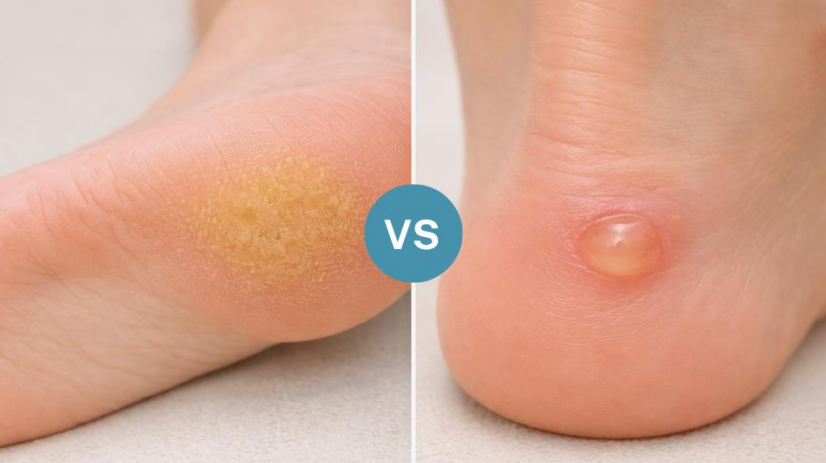
Calluses and blisters are both common skin responses to friction and pressure, but they develop in different ways and require different care. At first glance, they may appear similar, which can make it difficult to tell whether the issue is a blister or callus.
Understanding the difference between callus vs blister is important for proper treatment, especially when trying to determine whether do blisters turn into calluses over time. While a blister forms quickly as a fluid-filled response to irritation, a callus develops gradually as the skin thickens over time. Recognizing these differences can help prevent complications and guide appropriate care.
What Is a Callus?
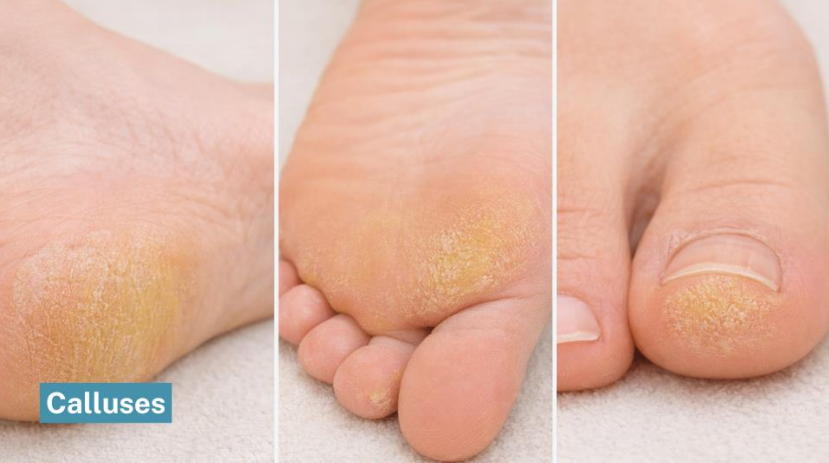
A callus is an area of thickened skin that develops over time due to repeated pressure or friction. It forms as a protective response, helping reduce damage to the underlying tissue.
Calluses are commonly found on weight-bearing areas such as the heels, balls of the feet, or along the sides of the toes. They tend to have a yellowish or gray appearance and may feel rough or hardened. Although they are often painless, they can become uncomfortable if they grow thick or begin to crack.
What Is a Blister?
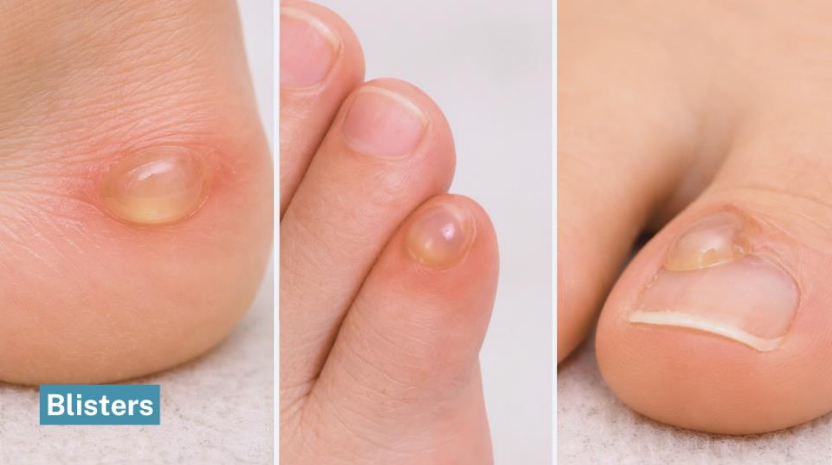
A blister is a fluid-filled pocket that forms beneath the skin as a result of friction or irritation. Unlike calluses, blisters develop quickly and are often associated with discomfort or sensitivity.
Blisters commonly appear after wearing tight shoes, walking long distances, or experiencing repeated rubbing in a specific area. The skin over the blister may look raised and filled with clear fluid, and the surrounding area may feel tender or irritated.
Callus vs Blister: Key Differences
| Feature | Callus | Blister |
|---|---|---|
| Formation | Develops gradually over time | Forms quickly due to friction |
| Texture | Thick, hardened skin | Soft, fluid-filled pocket |
| Pain | Usually mild or none | Often painful or sensitive |
| Cause | Repeated pressure | Friction or irritation |
| Appearance | Flat and rough | Raised and bubble-like |
| Healing | Long-term buildup | Typically heals within days |
This comparison highlights the difference between blisters vs calluses and explains why each condition requires a different approach to care.
Can a Blister Turn Into a Callus?
Blisters and calluses are different conditions, but they can be related. After a blister heals, the skin in that area may become thicker over time if friction or pressure continues.
As the skin heals, some people may notice changes and consider will blisters turn into calluses over time. In reality, a blister does not transform into a callus. However, repeated irritation in the same area can cause the skin to harden as a protective response, eventually forming a callus.
How to Treat Calluses
Treatment for calluses focuses on reducing pressure and managing thickened skin. These general care measures can help improve comfort and support healthier skin when applied consistently.
Common approaches include:
- Soaking feet to soften the skin
- Gently reducing thickened areas with proper tools
- Applying moisturizing creams
- Wearing properly fitted footwear
- Using padding or orthotics to reduce pressure
How to Treat Blisters
Treatment for blisters focuses on protecting the skin and preventing infection. These care steps help support healing and reduce irritation when managed properly.
Common approaches include:
- Keeping the area clean and dry
- Covering with a protective bandage
- Avoiding further friction
- Allowing the blister to heal naturally
If the blister breaks, cleaning the area and protecting it with a sterile covering helps reduce the risk of infection.
Preventing Blisters and Calluses
Preventing friction and pressure is key to reducing the risk of both blisters and calluses. Small adjustments in footwear, hygiene, and daily habits can help protect the skin and maintain overall foot health.
Helpful strategies include:
- Wearing properly fitted shoes that provide enough room and support
- Using moisture-wicking socks to reduce friction and excess moisture
- Keeping feet clean and dry, especially after activity
- Applying protective padding to areas prone to rubbing or pressure
- Gradually breaking in new shoes to avoid irritation
- Keeping toenails trimmed to reduce pressure inside footwear
- Addressing foot structure issues with proper support or orthotics when needed
Consistent preventive care can help minimize irritation and reduce the likelihood of recurring skin problems.
When to See a Podiatrist
While both conditions are often minor, certain symptoms may require evaluation.
Consider professional care if you notice:
- Increasing pain or discomfort
- Signs of infection such as redness, swelling, or drainage
- Thick or painful calluses
- Blisters that do not heal
- Recurrent issues in the same area
Early evaluation can help prevent complications, particularly for individuals with diabetes or circulation concerns.
Understanding Calluses and Blisters
Calluses and blisters may share similar causes, but they are distinct conditions that develop in different ways. Recognizing the difference between blisters and calluses can help guide proper care and reduce the risk of further irritation.
If symptoms persist or become painful, Foot & Ankle Specialists of New Mexico provide comprehensive care for foot conditions throughout New Mexico. You can explore our clinic locations or book an appointment for a thorough evaluation and personalized treatment plan.
Schedule an Appointment Today!
If any of these signs or symptoms sound familiar to you, don't wait! Schedule an appointment with one of our specialists TODAY and get back to living your best life! For more tips, tricks, and helpful information, be sure to check out our social media accounts!