Bruise on Top of Foot: Causes, Symptoms, and When to Seek Care
April 27, 2026
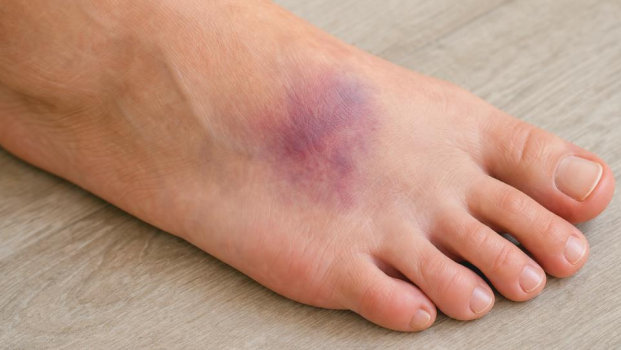
A bruise on top of foot can develop after a direct impact, repeated pressure, or minor trauma that may not always be immediately noticeable. While many bruises are harmless and heal on their own, persistent pain, swelling, or difficulty walking can sometimes indicate a more significant issue.
Understanding what may be causing a bruise and recognizing when symptoms require medical attention can help prevent complications. This guide explains common causes, symptoms, and when it's important to seek professional evaluation.
What Does a Bruise on the Top of the Foot Mean?
A bruise on top of foot occurs when small blood vessels under the skin are damaged, leading to discoloration and tenderness. The area may appear blue, purple, or dark red at first and gradually change color as it heals.
In some cases, the top of foot bruised appearance is linked to a clear injury. In others, bruising may develop gradually or without a specific event, which can make it more difficult to identify the cause.
Common Causes of a Bruise on Top of Foot
Several conditions can lead to a bruise on top of foot, ranging from minor trauma to more significant injuries.
Direct Injury or Trauma
Dropping an object on the foot or hitting it against a hard surface is one of the most common causes of a bruised foot top. These injuries typically result in immediate pain and visible discoloration.
Repetitive Stress or Overuse
Activities such as running or jumping can place repeated stress on the foot, leading to small amounts of tissue damage over time. This may appear as subtle top of foot bruising accompanied by soreness.
Tight or Ill-Fitting Footwear
Shoes that press on the top of the foot can create ongoing friction and pressure. Over time, this may result in an injury on top of foot that presents as mild bruising and discomfort.
Sprains or Soft Tissue Injury
A ligament strain or minor soft tissue injury can lead to swelling and bruising on the top of the foot. Pain may increase with movement or activity.
Stress Fractures
Stress fractures are small cracks in the bones of the foot caused by repetitive stress. Bruising may be accompanied by localized pain that worsens with activity and improves with rest.
Medical Conditions or Medications
Certain medications, such as blood thinners, or underlying health conditions can make bruising more likely. In these cases, bruising on the top of feet may occur without a clear injury.
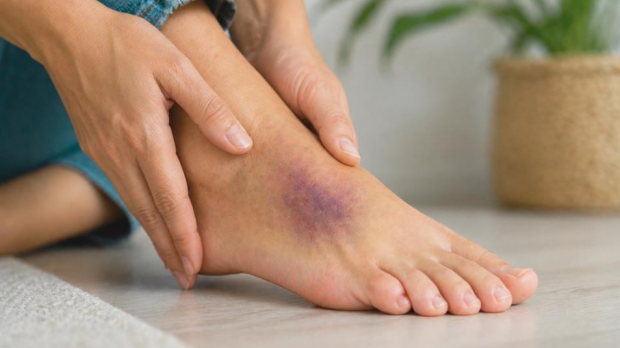
Common Symptoms of Top of Foot Bruising
Symptoms can vary depending on the cause but often include:
- Discoloration on the top of the foot
- Tenderness or pain when touched
- Swelling in the affected area
- Pain when walking or wearing shoes
- Increased discomfort with activity
In some cases, bruising on the top of the foot may appear mild but still indicate deeper tissue involvement.
Risk Factors That Can Contribute
Certain factors can increase the likelihood of developing a bruise on the foot:
- High-impact physical activity
- Poorly fitting footwear
- Repetitive stress on the foot
- Underlying health conditions affecting circulation or clotting
How a Podiatrist Evaluates a Bruise on the Foot
A podiatrist may begin with a physical examination to assess the location, severity, and tenderness of the bruise. They may also evaluate how the foot moves and whether pain is affecting normal function.
If a more serious injury is suspected, imaging such as an X-ray may be recommended to rule out fractures or other structural issues. This helps ensure an accurate diagnosis and appropriate treatment.
Treatment Options Depend on the Cause
Treatment for a bruise on top of foot depends on the underlying cause. In many cases, conservative care can help relieve symptoms and support healing, and working with a podiatrist helps ensure the most appropriate approach based on the severity of the injury.
These approaches may include rest, ice, elevation, and wearing supportive footwear to reduce pressure on the area. When symptoms involve skin breakdown or more complex concerns, exploring wound care services can help support proper healing and prevent complications.
In more serious cases, such as fractures or significant soft tissue injuries, additional care such as immobilization or activity modification may be recommended.
When to See a Podiatrist
While many bruises heal without intervention, certain symptoms should be evaluated by a podiatrist:
- Persistent or worsening pain
- Significant swelling
- Difficulty bearing weight
- Bruising without a known injury
- Symptoms lasting longer than expected
- Recurrent bruising
Early evaluation can help identify the cause and prevent further complications.
Don't Ignore a Bruise on Top of the Foot
A bruise on top of foot may seem minor, but it can sometimes signal a more serious underlying issue. Paying attention to symptoms and seeking care when needed can help ensure proper healing and reduce the risk of long-term problems.
Foot & Ankle Specialists of New Mexico provides comprehensive care for foot injuries, helping patients throughout New Mexico receive accurate diagnosis and appropriate treatment. You can explore our clinic locations or schedule an appointment to receive professional evaluation and personalized care.
Schedule an Appointment Today!
If any of these signs or symptoms sound familiar to you, don't wait! Schedule an appointment with one of our specialists TODAY and get back to living your best life! For more tips, tricks, and helpful information, be sure to check out our social media accounts!